What to Look for in Dentures: A Comprehensive Guide
Dentures are a common solution for people with missing teeth. They're not one-size-fits-all, though. There are different types of dentures and materials used in their construction that can make a big difference in how well they fit and function. In this guide, we'll break down the key factors to consider when selecting dentures so you can make an informed decision about your dental health.
Type of Denture The first thing to consider is the type of denture that best suits your needs. There are three main types: full dentures (which replace all the teeth in your upper or lower jaw), partial dentures (which fill in the spaces left by missing teeth), and implant-supported dentures (which are anchored directly into your jawbone).
Full dentures can be further divided into conventional and immediate dentures. Conventional full dentures are made after all your teeth have been removed and your gums have healed, usually taking about 8 to 12 weeks. Immediate full dentures, on the other hand, are inserted immediately after your teeth are removed, eliminating the need for you to go without teeth during the healing period.
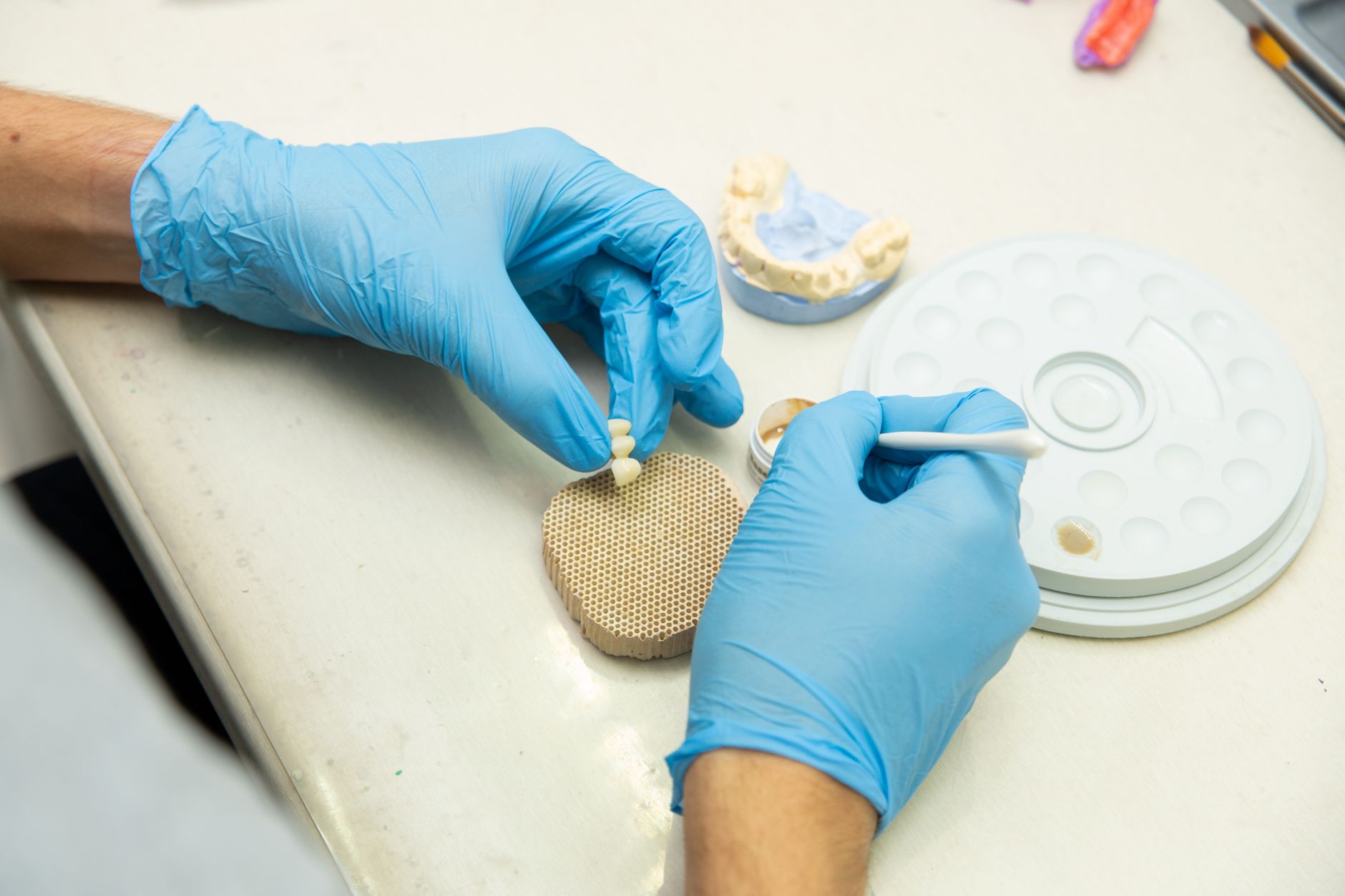
Materials Used in Denture Construction The materials used in constructing dentures also play a crucial role in their success. The two most common materials are acrylic and metal. Acrylic dentures are less expensive but tend to be more bulky and less durable than metal dentures. Metal dentures, on the other hand, are thinner and lighter but can be more expensive.
Another factor to consider is whether you want a flexible or traditional denture. Flexible dentures are made from a special type of acrylic that allows them to bend and flex with your mouth, providing a more comfortable fit and reducing the risk of breakage.
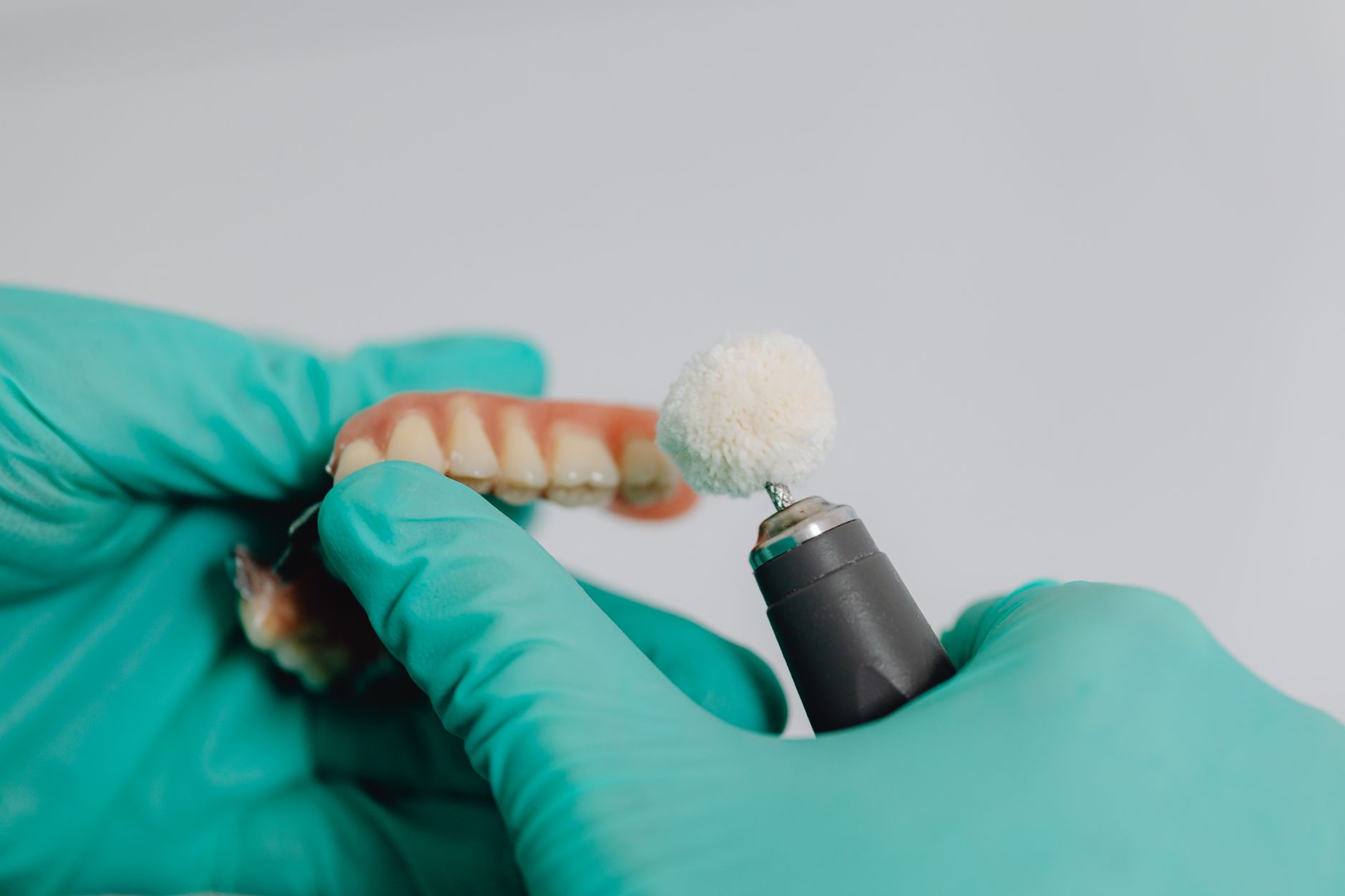
Comfort and Fit The comfort and fit of your dentures are also critical factors to consider. Your dentures should fit securely in your mouth without slipping or moving around. They should also feel comfortable against your gums and not cause any pain or discomfort. If your dentures don't fit well or are uncomfortable, they may need to be adjusted or replaced.
Durability Your dentures should also be durable enough to withstand daily wear and tear. This means that they shouldn't chip, crack, or break easily. High-quality materials and construction techniques can help ensure that your dentures are durable and long-lasting.
Cost Finally, cost is an important consideration when selecting dentures. Different types of dentures come with different price tags, so it's essential to find a denture that fits within your budget while still meeting your needs. Remember that the cheapest option isn't always the best one - sometimes paying a bit more for higher quality materials and construction can save you money in the long run by reducing the need for repairs or replacements.
In conclusion, selecting the right denture requires careful consideration of several factors, including the type of denture, materials used in construction, comfort and fit, durability, and cost. By taking the time to research your options and consult with a knowledgeable dental professional, you can make an informed decision that's right for you and your dental health.
At Riverside Dental, our team of experienced dental professionals is dedicated to helping our patients achieve optimal oral health through high-quality implant and cosmetic dentistry, as well as general and family dentistry. Contact us today to learn more about how we can help you achieve a healthy, beautiful smile.